


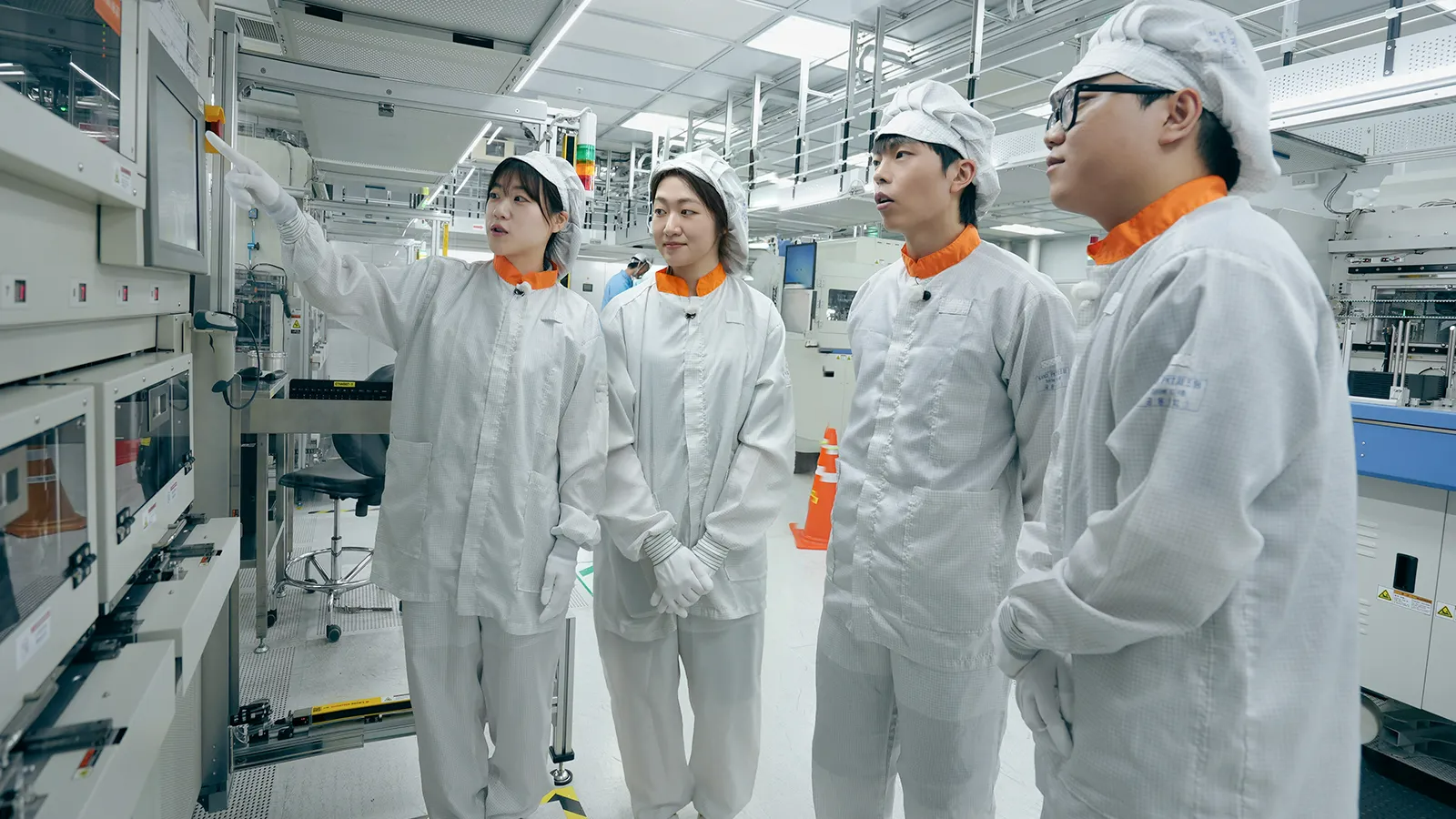
A single wafer goes through hundreds of process steps before it is completed as a semiconductor product. At the final gateway of this complex and highly precise journey is SK hynix’s Mass Production Technology P&T (Package & Test). P&T provides technical oversight for the entire back-end process. Leveraging test data, it analyzes product quality, drives process improvements, and plays a critical role in defining the standards products must meet before they are released to customers and the market. Together with Student Ambassadors of SK hynix Jinjae Kim and Sungjun Jung, the Newsroom met with Dahyun Jung (TL, Solution Mobile TEST Technology) and Kyungmin Nam (TL, SoC TEST Technology) to explore how P&T helps bring semiconductor products to completion—and what technical expertise is required throughout the process.
From Packaging to Testing: P&T at the Heart of the Back-End Process
At SK hynix, P&T is responsible for the back-end process, turning chips produced through the front-end process into finished products and carrying out final quality verification. As the name suggests, P&T is divided into two key areas: Package Technology and Test Technology. Package Technology physically protects chips at the wafer level and implements optimal interconnection structures while taking heat dissipation and electrical characteristics into account. Based on product characteristics and customer requirements, it fine-tunes materials and process conditions to secure both cost competitiveness and technological competitiveness. Test Technology verifies whether packaged semiconductors operate as designed. It also analyzes the vast amounts of data collected during testing to identify errors and determines areas for improvement. Going beyond simple defect screening, it provides critical insights that help improve yield and enhance process efficiency. P&T is one of the two main pillars of Mass Production Technology. ‘Mass Production Technology’ refers to the technical operations that support semiconductor mass production and is broadly divided into front-end and back-end processes. As covered in Part 1, the front-end process is handled by Mass Production Technology, while the back-end process is handled by P&T. The front-end process focuses on forming circuits in the fab, whereas the back-end process turns completed chips into customer-ready products and verifies their quality. In the mass production environment, these two job functions work closely together, each contributing its own expertise while communicating and collaborating with a One-Team mindset toward a shared goal: delivering the highest level of quality.
Who We’re Looking For
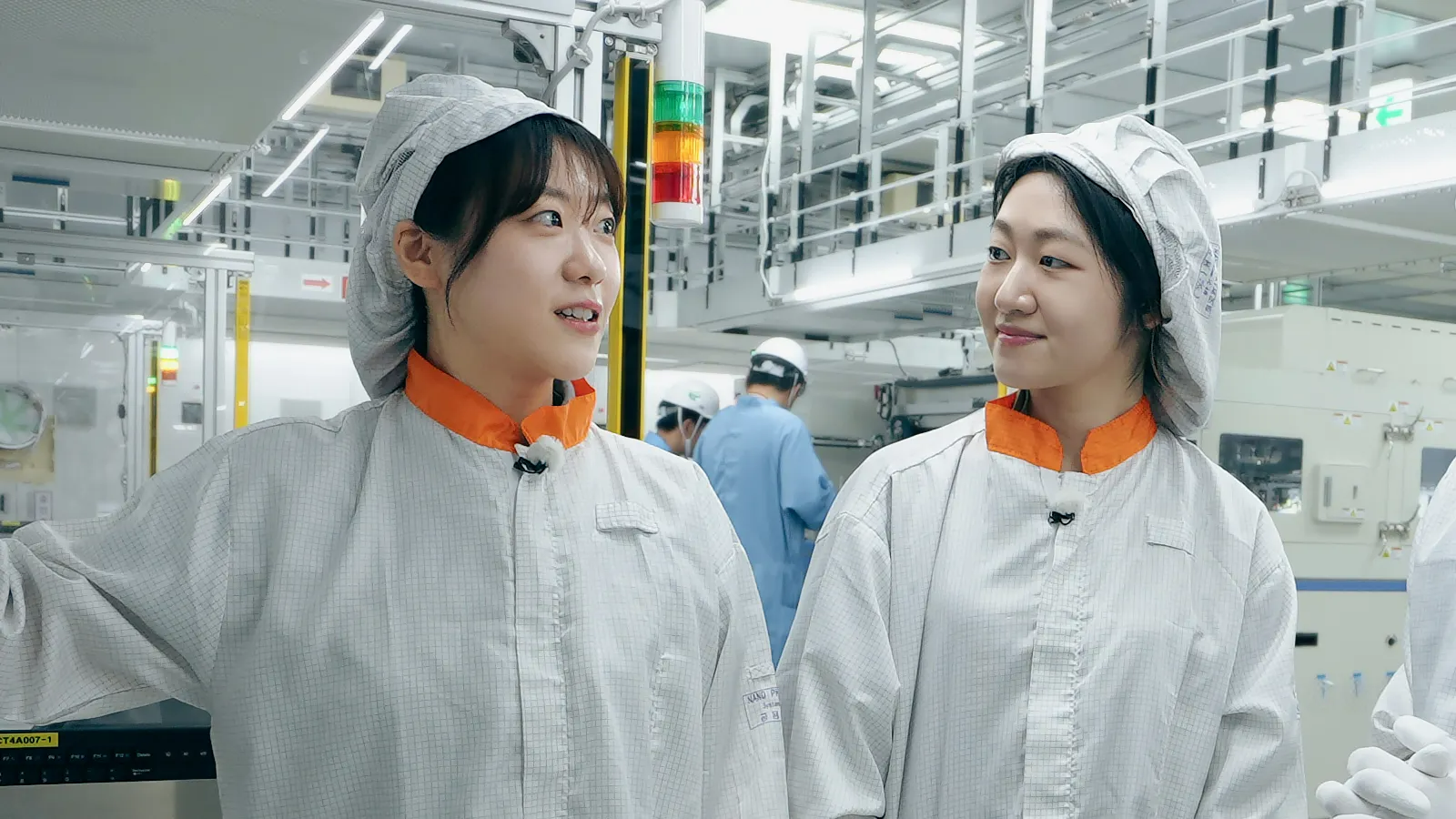
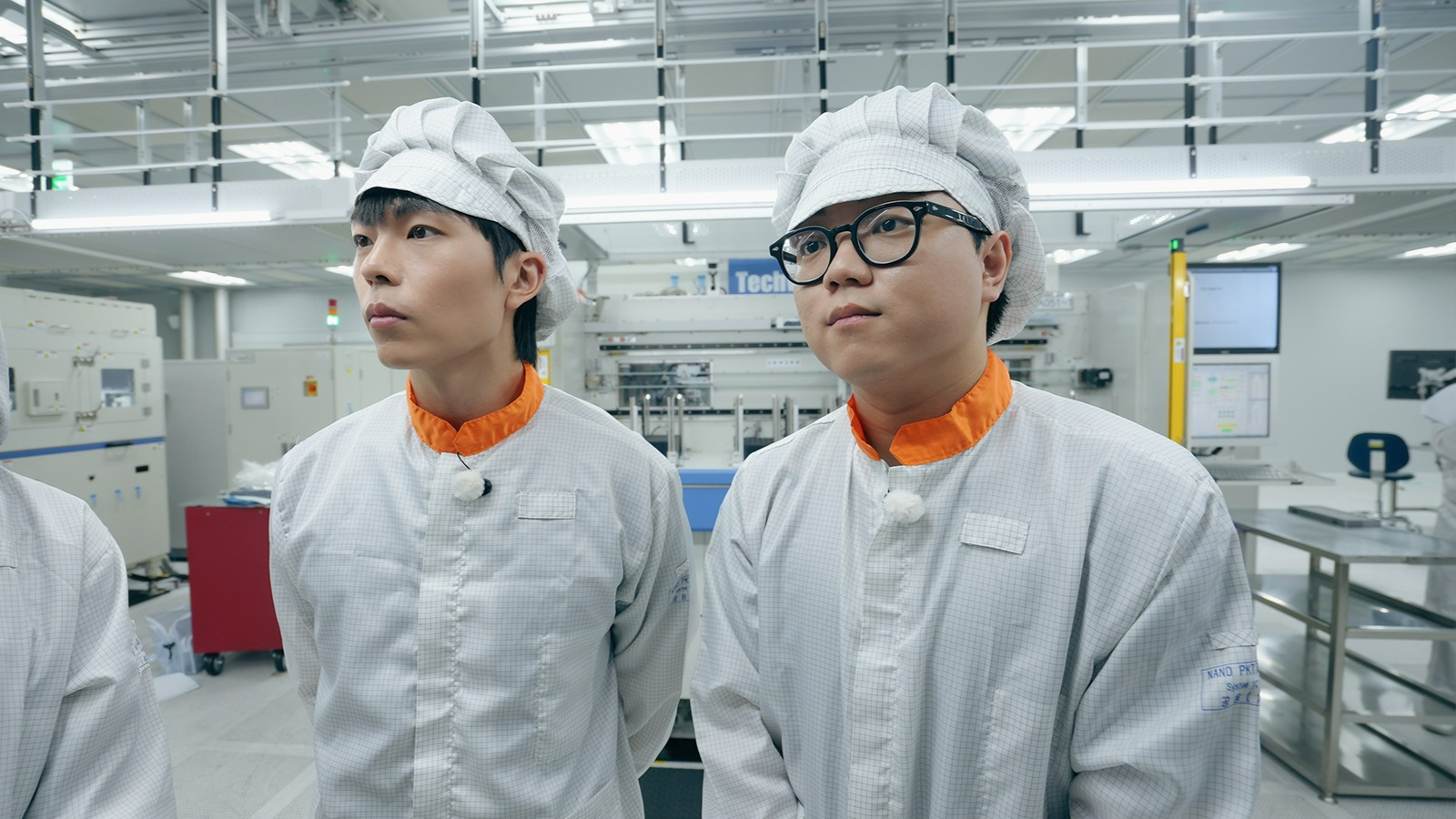
P&T plays a critical role in ensuring the final quality of products through its technical expertise. The role goes beyond simply operating processes efficiently; it involves continuous analysis and improvement to achieve the level of quality that customers expect. One of the most important competencies for P&T is the ability to interpret data with technical insight. Key decisions in the packaging process, such as process optimization, yield enhancement, and ensuring stability, are all based on data analysis. Data analysis is also essential for identifying abnormalities during testing and determining the right direction for improvement. A broad understanding of the overall semiconductor manufacturing process is also important. Every stage is closely connected, from the front-end process where circuits are formed, to packaging where chips are protected and electrically connected, and finally to testing where product performance and reliability are verified. Since packaging technology involves a combination of various processes and materials, basic knowledge of semiconductor materials can also help in understanding the work. “As process scaling approaches its technical limits, the technical importance of the back-end processes is becoming even more significant,” said Sang-mok Song (TL, Talent Acquisition). “Today, customer satisfaction is determined not only by making a good chip, but also by how well it is packaged and tested.” He added, “For those interested in the technologies that ensure the final quality of products, now is the time to pay attention to P&T.”


Q1. Could you briefly introduce yourselves?
Kyungmin Nam (TL): I am Kyungmin Nam from the SoC TEST Technology Team. I manage test programs that verify whether completed semiconductor chips operate properly. I also work on various technical tasks to stabilize yield, improve productivity, and ensure product quality. Dahyun Jung (TL): I am Dahyun Jung from the Solution Mobile TEST Technology Team. I am responsible for package testing for DRAM products used in mobile devices. This involves final verification to ensure that packaged semiconductors function properly.
Q2. How does collaboration take place in P&T?
Kyungmin Nam (TL): After the front-end process is completed in the fab, wafers first undergo wafer-level testing. Only the wafers that pass this initial test move on to the packaging process, where they are processed into finished products. Their final quality is then verified through subsequent testing. From the completion of the front-end process to final delivery to the customer, P&T works closely with various teams, including development, manufacturing, and marketing, to enhance the overall product quality. Dahyun Jung (TL): Collaboration is especially important when defects are found during testing, as it is essential to identify the root cause. Based on data, we analyze a wide range of possible causes, from abnormalities in the packaging process to potential issues in earlier processes or in the development stage. We then discuss improvement measures with the relevant teams. When issues arise at the product stage, we also work with sales and marketing to coordinate the response, analyze the cause, and take follow-up actions to prevent recurrence.
Q3. What is the main objective of the P&T role?
Kyungmin Nam (TL): Yield, quality, and productivity are the three key priorities. More specifically, our role is to improve yield through failure analysis, ensure consistent quality, and enhance productivity by reducing test time and TAT*. Simply put, P&T is about identifying defects quickly and accurately, and using those insights to drive process improvements. * TAT (Turnaround Time): The total time required to complete a product. Dahyun Jung (TL): There is a phrase I still remember from when I was a new hire: “The ultimate goal of the TEST team is to make testing unnecessary.” In other words, the goal is to make products with such a high level of quality that no defects are found during testing in the first place.
Q4. What qualities and skills are most important for a P&T role?
Kyungmin Nam (TL): I think one of the most important skills for a P&T role is the ability to interpret and use data effectively. Much of our day-to-day work involves analyzing large volumes of data to identify issues and find areas for improvement. Programming skills, particularly in languages such as Python and C, are also very helpful for hands-on tasks like executing test programs. Dahyun Jung (TL): A basic understanding of how semiconductors work, along with fundamental knowledge of circuits is certainly helpful. Above all, however, I believe the most important qualities are a willingness to keep learning and the ability to adapt to change. Since test technology continues to evolve as products and technologies change, it is important to stay flexible and quickly respond to new situations.
Q5. What advice would you give to anyone interested in pursuing a P&T role?
Kyungmin Nam (TL): As a chemistry major, I initially had some concerns about whether my background would be a good fit for a P&T role. However, my experience organizing and visualizing experimental data turned out to be very helpful in my day-to-day work, which gave me a lot of confidence. I am sure some applicants may hesitate to apply because of their major, just as I did. But regardless of your academic background, if you have experience analyzing problems and finding solutions through experiments or data, that can definitely be a strength. So I would encourage you to be confident and take on the challenge. Dahyun Jung (TL): P&T is a role that continues to evolve rapidly alongside advances in technology and offers significant growth potential. That is why I believe it is important to stay open to new trends and not be afraid to keep learning. You do not have to be perfect from the start. As long as you are willing to take on new challenges and learn proactively, I believe you can succeed in this role.