


No matter how brilliant the semiconductor R&D, it has to survive mass production to finally reach the market and realize its true value. That is why, in the mass production phase where concepts are realized, optimization of processes and equipment operations is critical to maximize production efficiency and quality in parallel. As semiconductor manufacturing processes become more precise and complex, the importance of the jobs in Manufacturing Technology is increasing. The Newsroom, along with Student Ambassadors of SK hynix Suin Lee and Donghwan Kim, sat down with Heegyu Lee (TL, Mass Production Infra Tech PM/Critical Components Team) and Ryubbin Park (TL, DRAM Metal Tech Team) to talk about their R&R in Manufacturing Technology. Let’s discover the real-world responsibilities and key skills of manufacturing technology engineers and actionable tips for students pursuing a career in the field.
The Unsung Hero of Semiconductor Mass Production—Mass Production Technology
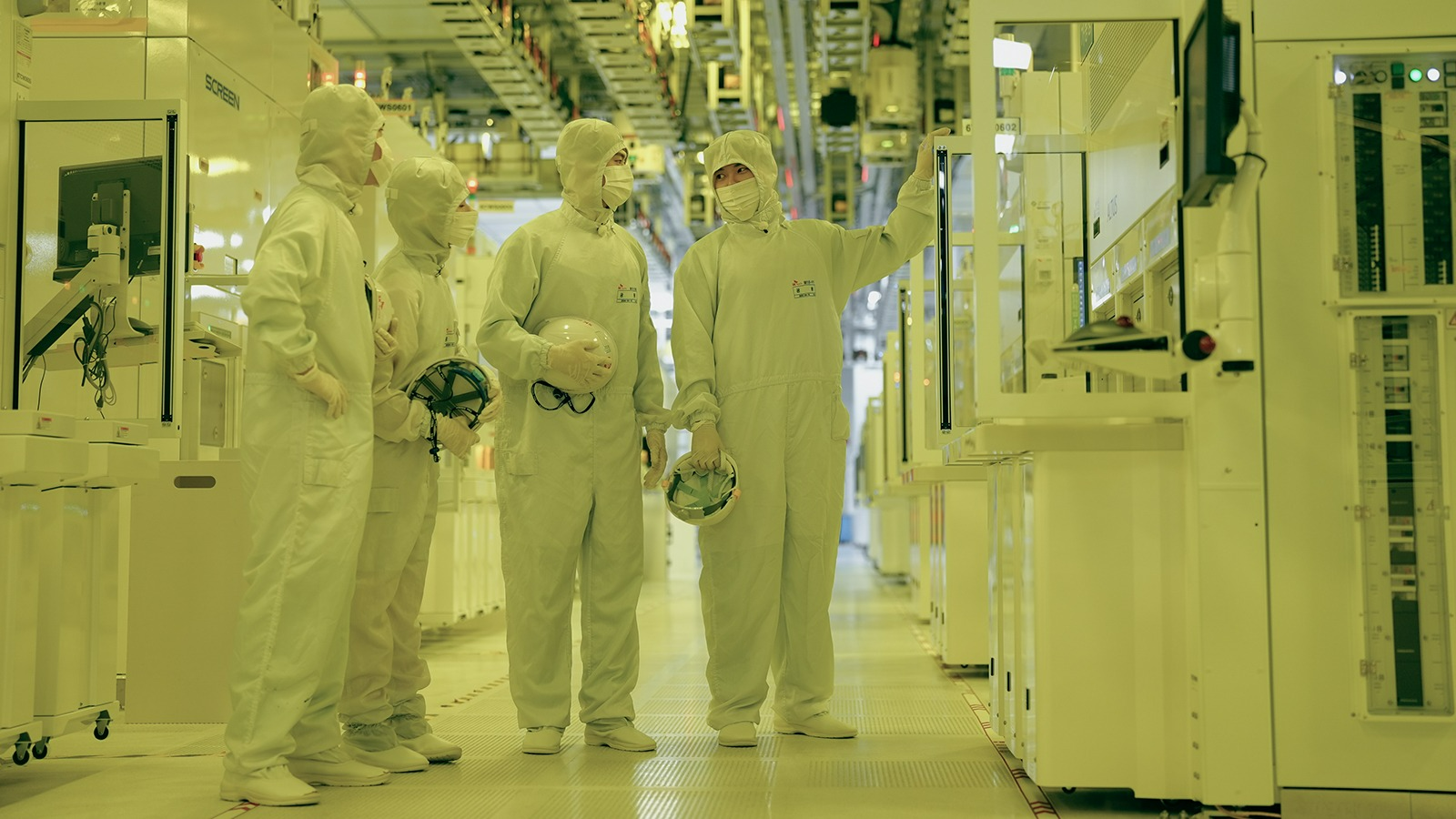
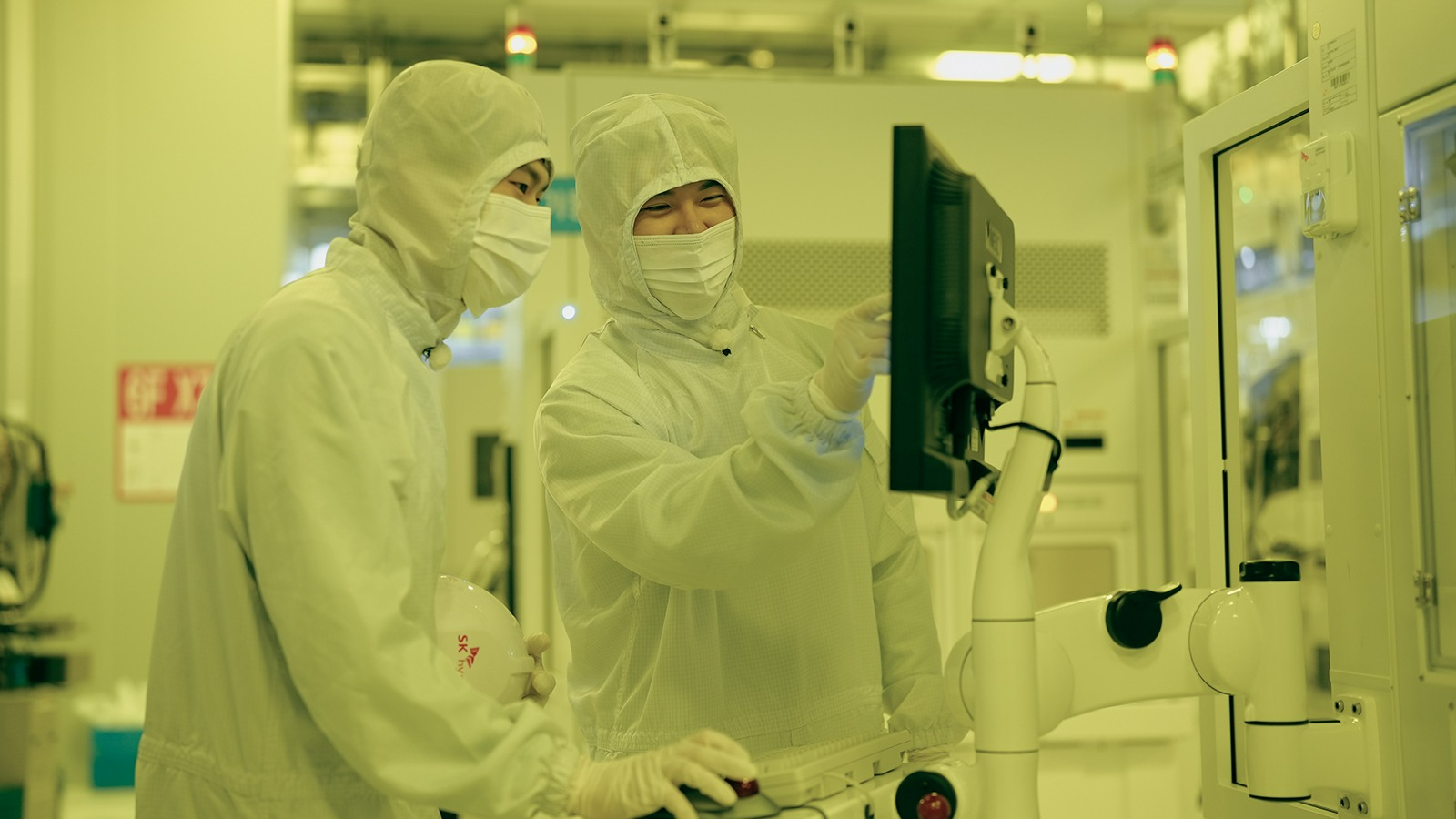
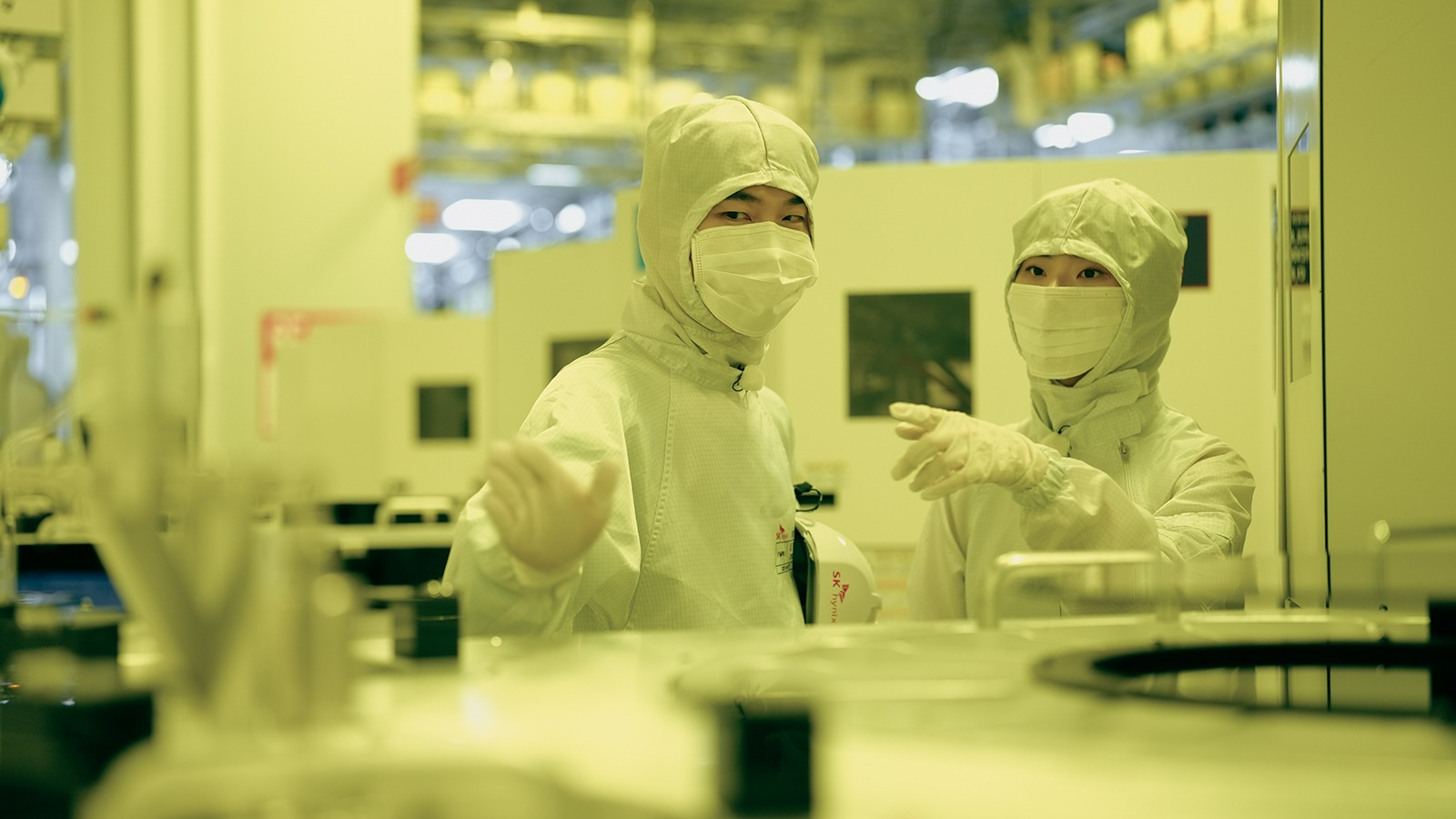
The Manufacturing Technology’s primary focus is providing optimal solutions to maximize the reliability and efficiency of our mass production processes. This requires various technical roles that manage manufacturing processes and equipment and ensure successful production. The two main pillars driving Manufacturing Technology are Process Engineers and Equipment Engineers. Process Engineers are the architects of smooth mass production, continuously testing and optimizing process conditions. Their primary role involves evaluating various process recipes and analyzing measurement data to boost efficiency and maintain top-tier quality. Equipment Engineers, on the other hand, are responsible for the setup, inspection, modification, and improvement of production equipment. They ensure the health of equipment by responding swiftly to equipment anomalies to minimize downtime, conducting regular preventive maintenance (PM) and procuring parts. They are not the only roles in Manufacturing Technology. There are other engineers who are responsible for wafer defects, yield, and standardization of process parameters. Each and every one of them is committed to their responsibilities talking ownership of mass production from start to end and collaborating closely with a “One-Team” mindset.
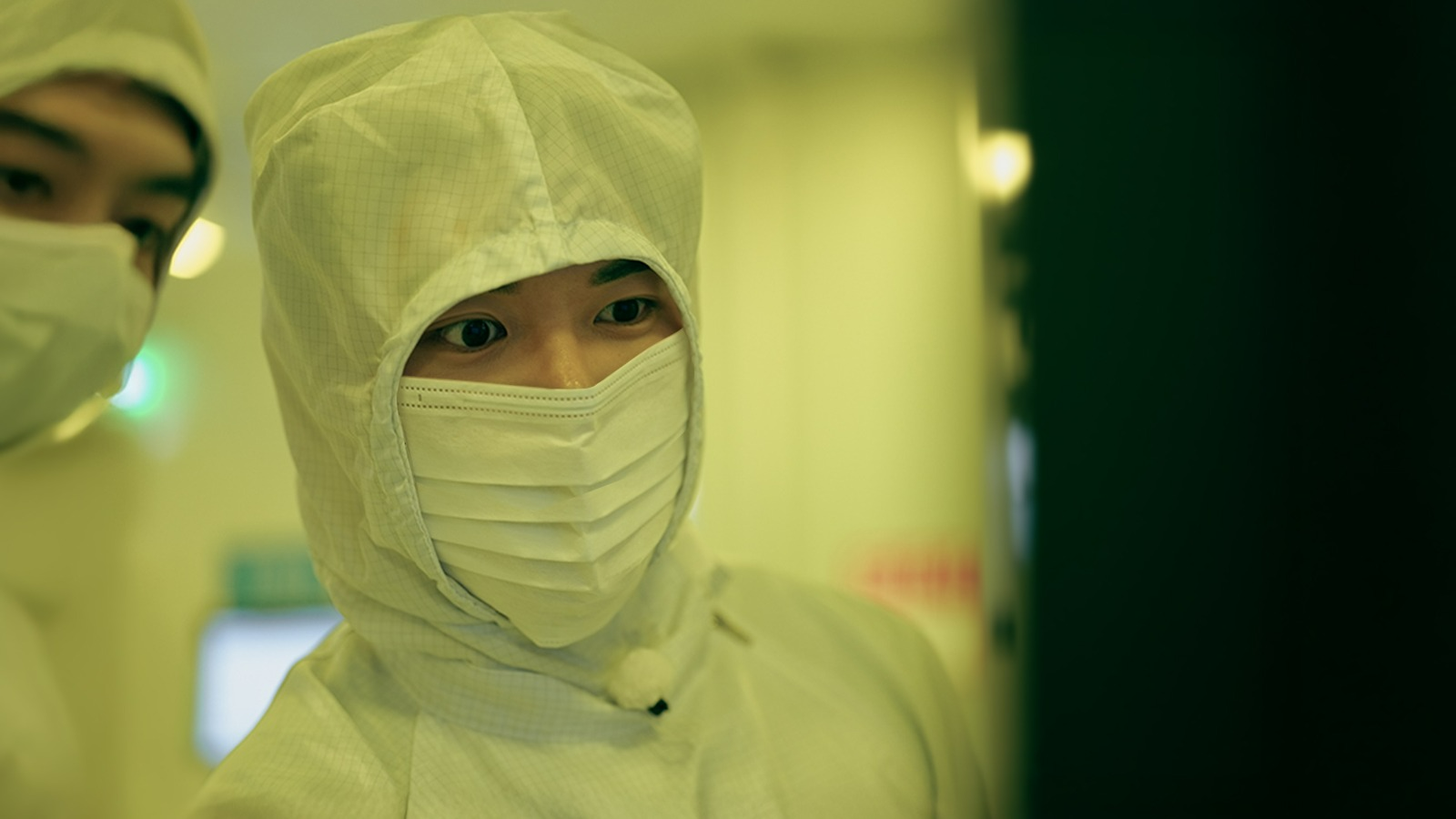
Who We're Looking For
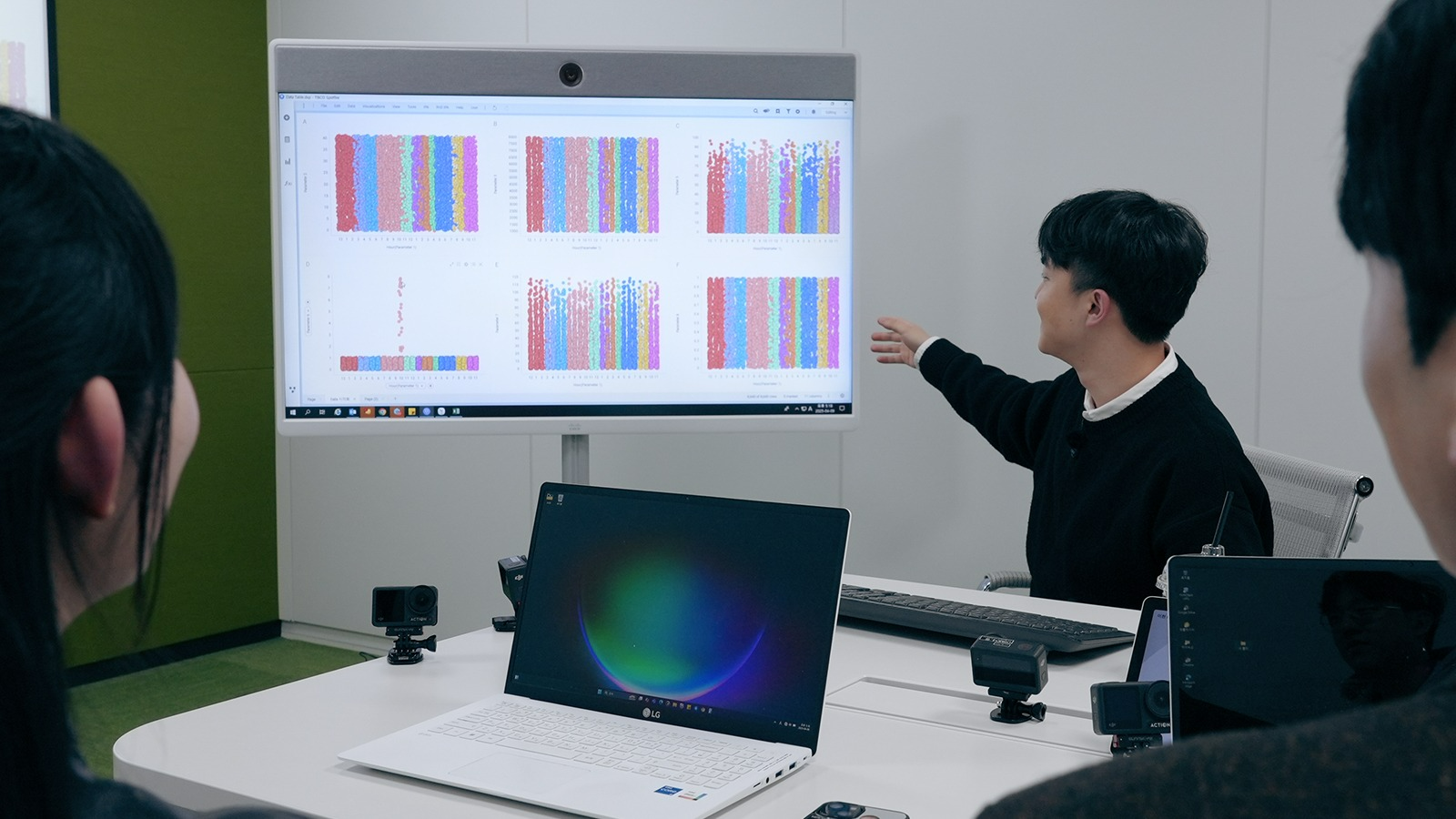
The mass production of semiconductors is not merely about "producing product." In a large-scale manufacturing environment where yield, quality, and efficiency must be enhanced simultaneously, countless variables and risks must be predicted and controlled in real time. Therefore, the most important competency in the Manufacturing Technology team is data analysis capability. Semiconductor mass production operates on a structure where numerous teams make decisions and collaborate based on data. The ability to interpret and utilize data to diagnose problems is directly related to various areas, including process optimization, yield enhancement, and process stability. Also, problem-solving skills are essential for process engineers who must continuously strive to optimize process conditions, while effective communications skills are vital for equipment engineers, for whom communication with partner companies such as equipment suppliers is one of their responsibilities. Sangmok Song (TL, Talent Acquisition), who is responsible for recruitment at SK hynix, emphasized, "Since producing a single semiconductor involves numerous process steps across various equipment, it is crucial to understand each other's work and knowledge instead of drawing lines between roles." He also added, "With new fabs such as M15X and the Yongin Semiconductor Cluster scheduled to open, the importance of Manufacturing Technology and the demand for hiring are on the rise. We look forward to many prospective applicants with a willingness to learn and strong determination."

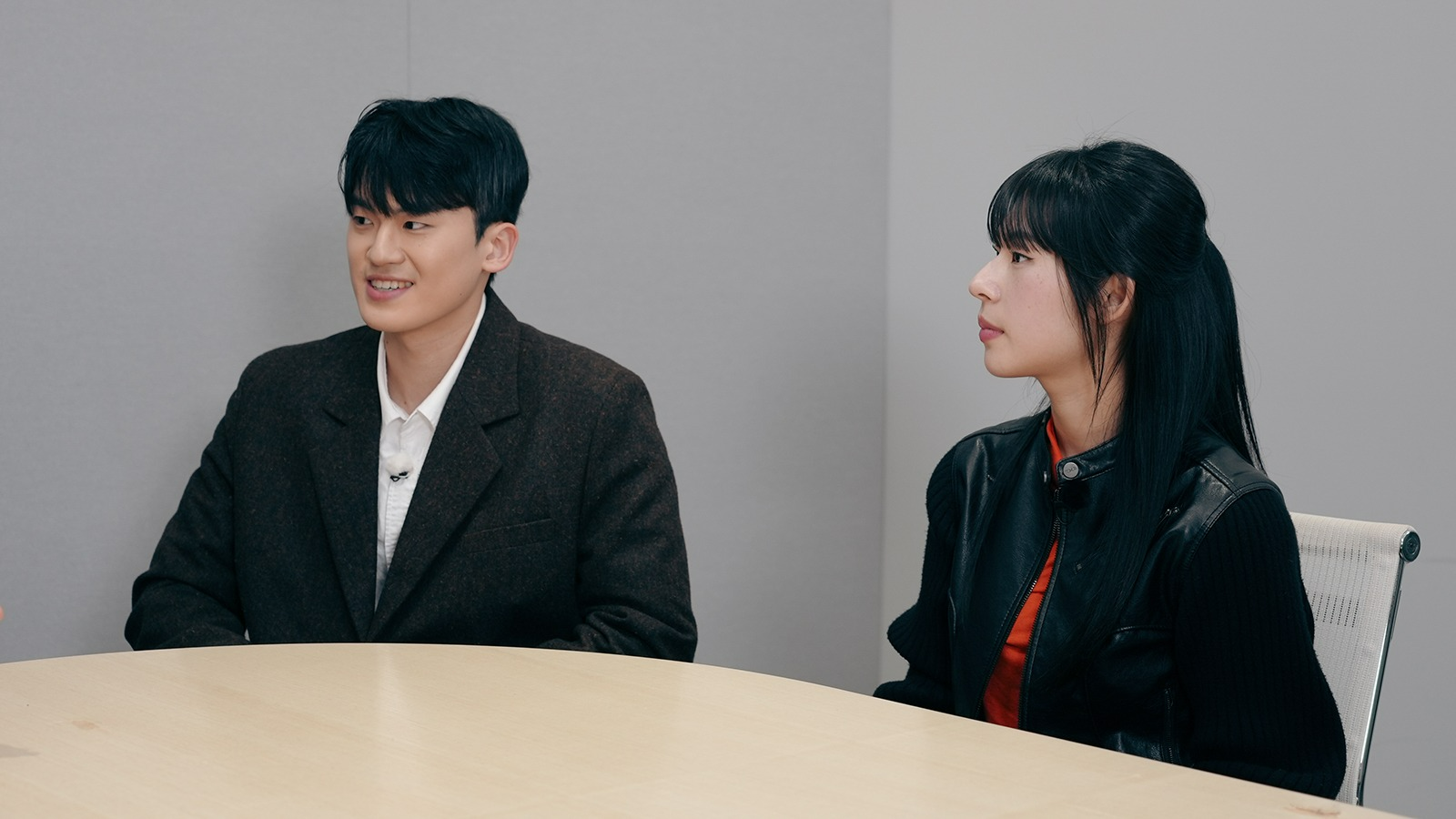
Q1. Could you briefly introduce yourselves?
Ryubin Park (TL): I am an equipment engineer on the DRAM Metal Tech Team. I manage overall lifecycle of semiconductor production equipment—from modifications, improvements, and new setups to relocations and dismantling—to boost production efficiency. I also work closely with the field teams for equipment maintenance. Heegyu Lee (TL): I am in the PM/Critical Components team of Mass Production Infra Tech. My main responsibility is standardizing the specifications required for equipment setup and regular PM (Preventive Maintenance), and incorporating them into our systems. I also handle critical components of equipment to ensure equipment is set up according to company standards prior to mass production.
Q2. What do you consider the most important competency for Mass Production Technology roles?
Ryubin Park (TL): I would definitely say data analytics capabilities. I am an equipment engineer, but I actually spend more time handling data than the equipment itself in my day-to-day work. The ability to read and analyze data and determine strategic next steps is more important than anything else. Heegyu Lee (TL): Communication skills are equally vital. Manufacturing Technology roles involve extensive cross-functional collaboration. Seamless teamwork is the start and end of our work. Given our frequent meetings and constant need for coordination, effective communication with relevant teams is one of the key qualities.
Q3. What is the most frequent challenge you face?
Ryubin Park (TL): The biggest challenge is to prioritizing what needs to be addressed first when equipment issues occur, since they may affect production schedules. I have to weigh the potential impacts on process operations and sometimes seek advice from senior colleagues or leaders. For entirely new, unprecedented issues, I tackle them by thoroughly analyzing the relevant data, communicating closely with vendor engineers and the field teams, and testing out various approaches to find a solution. Heegyu Lee (TL): I always think about what should be done to simultaneously achieve cost reduction, yield improvement, and high-quality production. Recently, I have been especially focusing on "Standardization, Optimization, and Automation" to make improvement. To achieve this, growth mindset is also important. I am trying to bridge any knowledge gaps and enhance my problem-solving capabilities using 'SKHU*', SK hynix's in-house education platform. * SKHU (SK hynix University): An in-house training platform based on a university academic year and credit system.
Q4. What advice would you give to students aspiring to a career in Mass Production Technology?
Ryubin Park (TL): In-depth understanding of manufacturing processes of semiconductor will definitely make it easier to adapt and learn on the job. Additionally, the importance of software and programming skills is growing significantly within the company. Building those competencies in advance will be very helpful. Heegyu Lee (TL): Basic understanding of manufacturing processes and data handling are necessary. But, we don’t expect newcomers to be able to handle practical tasks from day one. What you learn on the job is far more important. If you can effectively showcase your passion to learn and your problem-solving abilities in your resume and interview, I believe you will see great results.